 SymbioTex
SymbioTex
SymbioTex
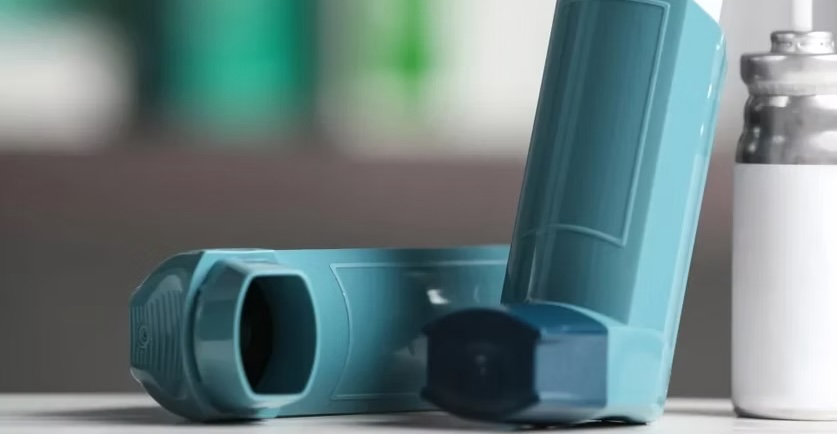
A flexible material with potential application as rubber replacement. Can be coloured to meet specific customer requirements

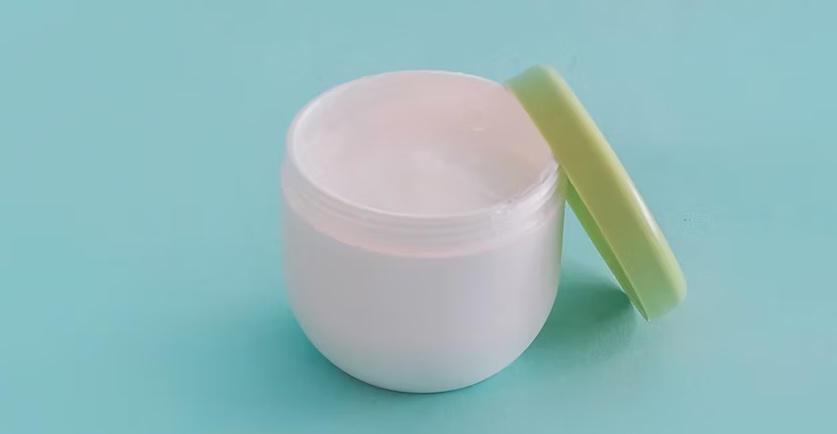
A rigid material, with very good home compostability and robust shelf life stability. Tunable rheological profile suitable for a number of different thermoplastic applications, colouration possible through conventional masterbatching, tunable flexibility, not suitable for storage of water based products, suitable for high humidity environments only in the presence of secondary packaging food contact (oil and dry foods), biostimulant activity during degradation.

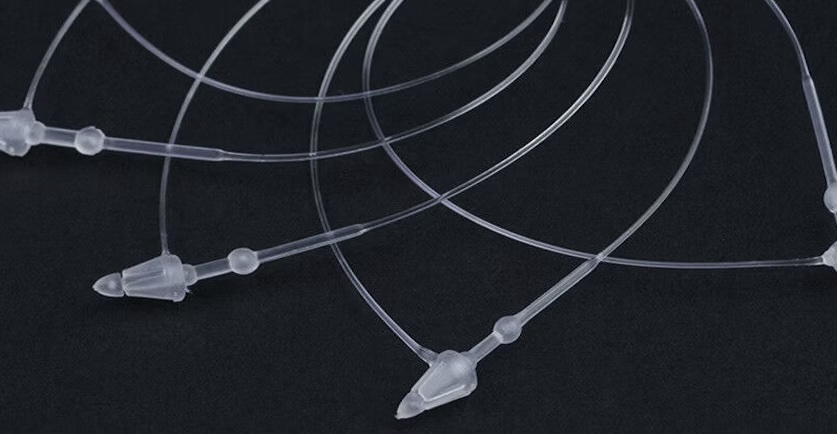
A rigid material, home compostable with robust shelf life and suitable for high humidity and wet applications. The mechanical properties of the material can be tuned based on customer requirements

SymbioTex is home compostable and naturally biodegrades in nature in both marine and soil environments; leaving no harmful trace behind. The high nitrogen content in seaweed fertilises the soil, promoting healthy and robust growth of nearby vegetation.
The production process requires little amounts of energy, with temperatures not exceeding 95°C, compared to petroleum-based plastics or existing bioplastics that often require temperatures of 170°C+.
SymbioTex is processable on standard industry machinery.
Seaweed is a natural carbon sequester which captures carbon as it grows.
Red seaweed protects the local environment by creating ecosystems and slowing down costal erosion.
Every component that makes up SymbioTex has been approved by numerous government agencies to be used and consumed with food.
New seaweed is constantly being planted and growing so fast that any seaweed harvested will regrow within a couple of weeks. Any waste we have in the production of our material goes back into the material production cycle.
Many of the current bioplastics on the market come from land crops, which compete with land used for crops. To avoid this, we use the sea; which covers 70% of the earth!
SymbioTex’s barriers are comparable, and in some instances better, than most bioplastics.